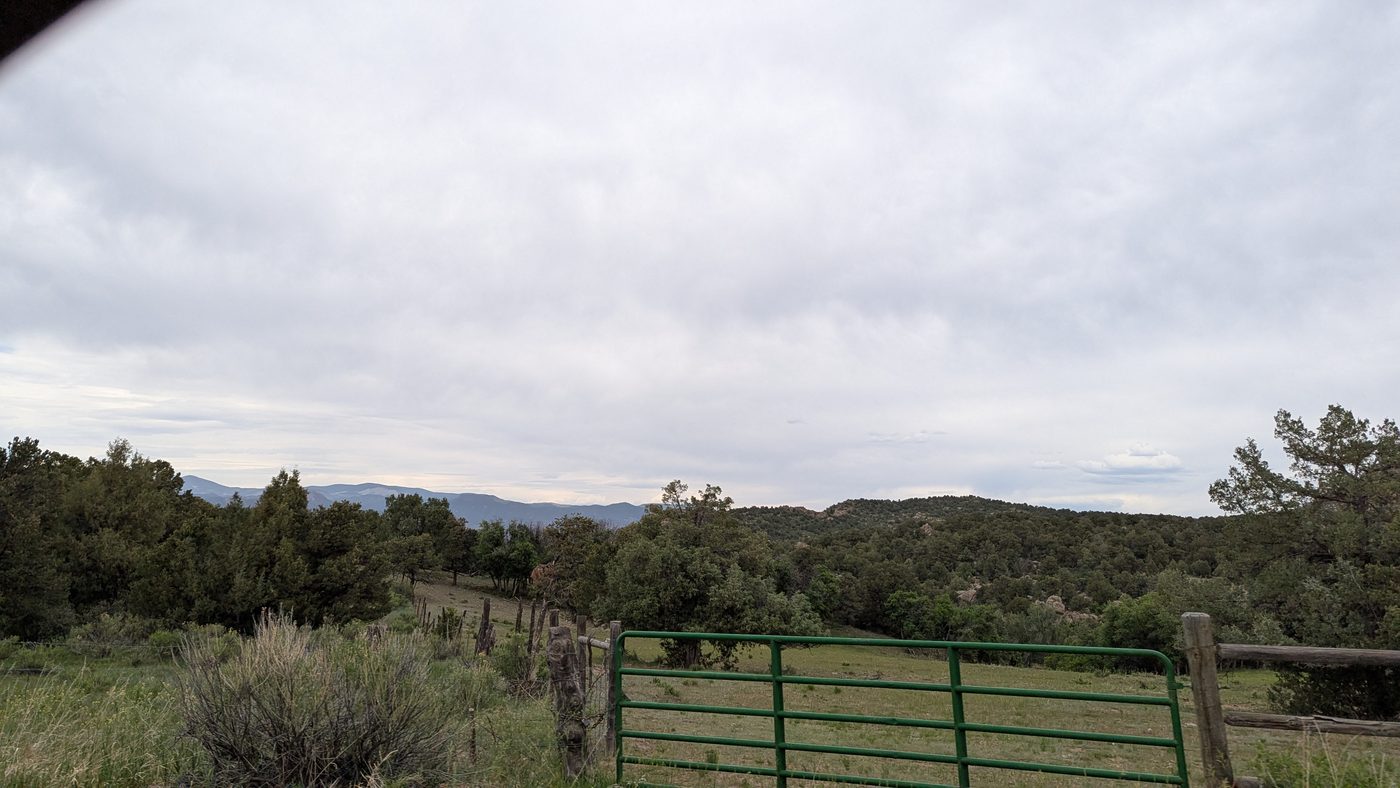
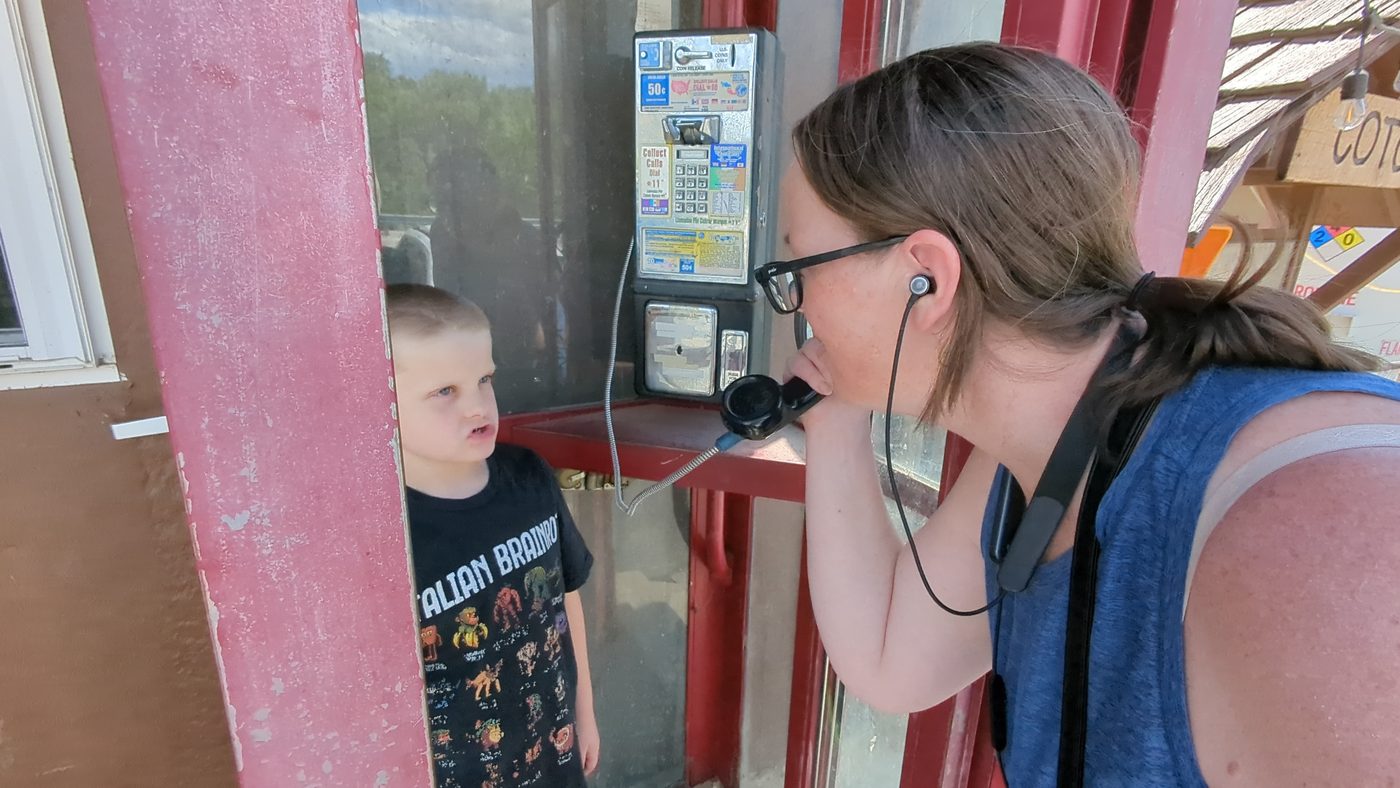
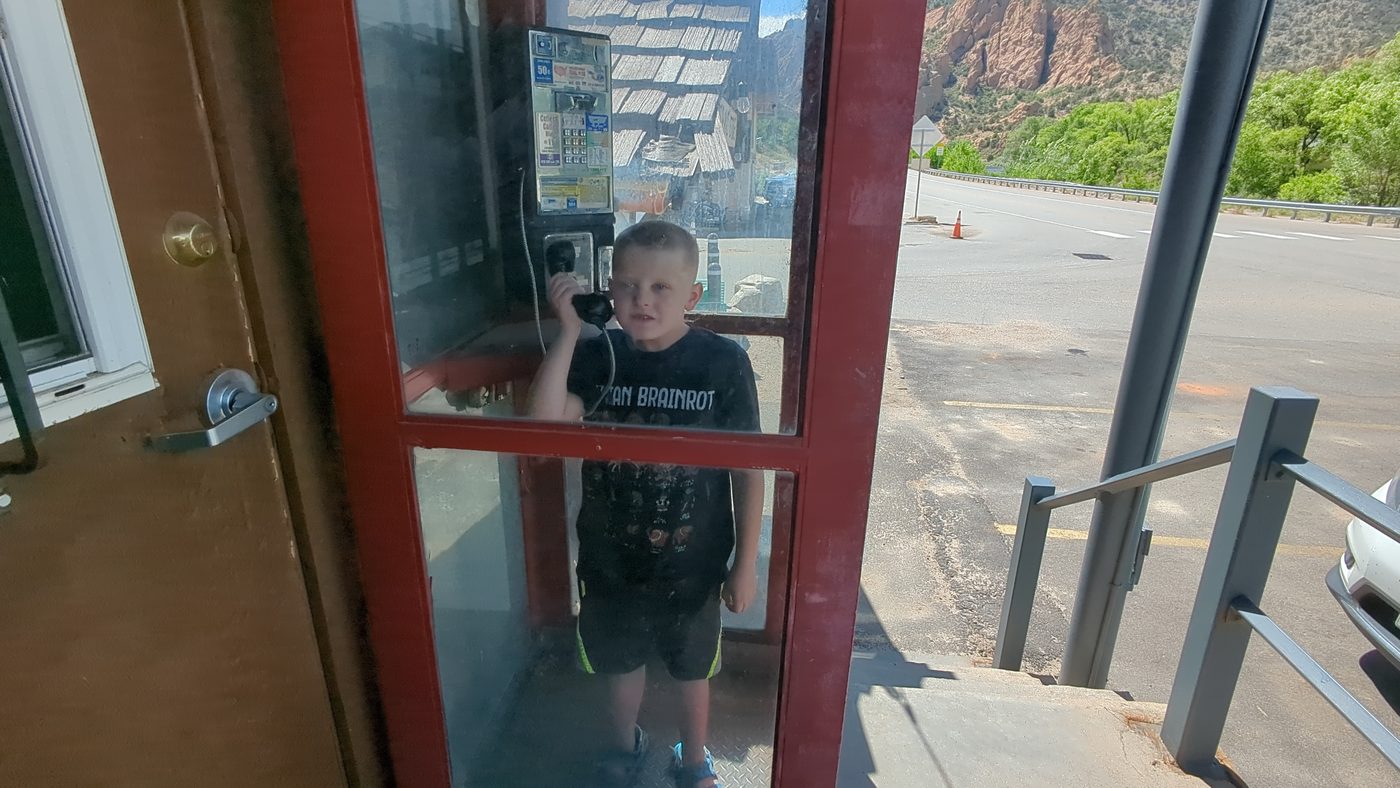
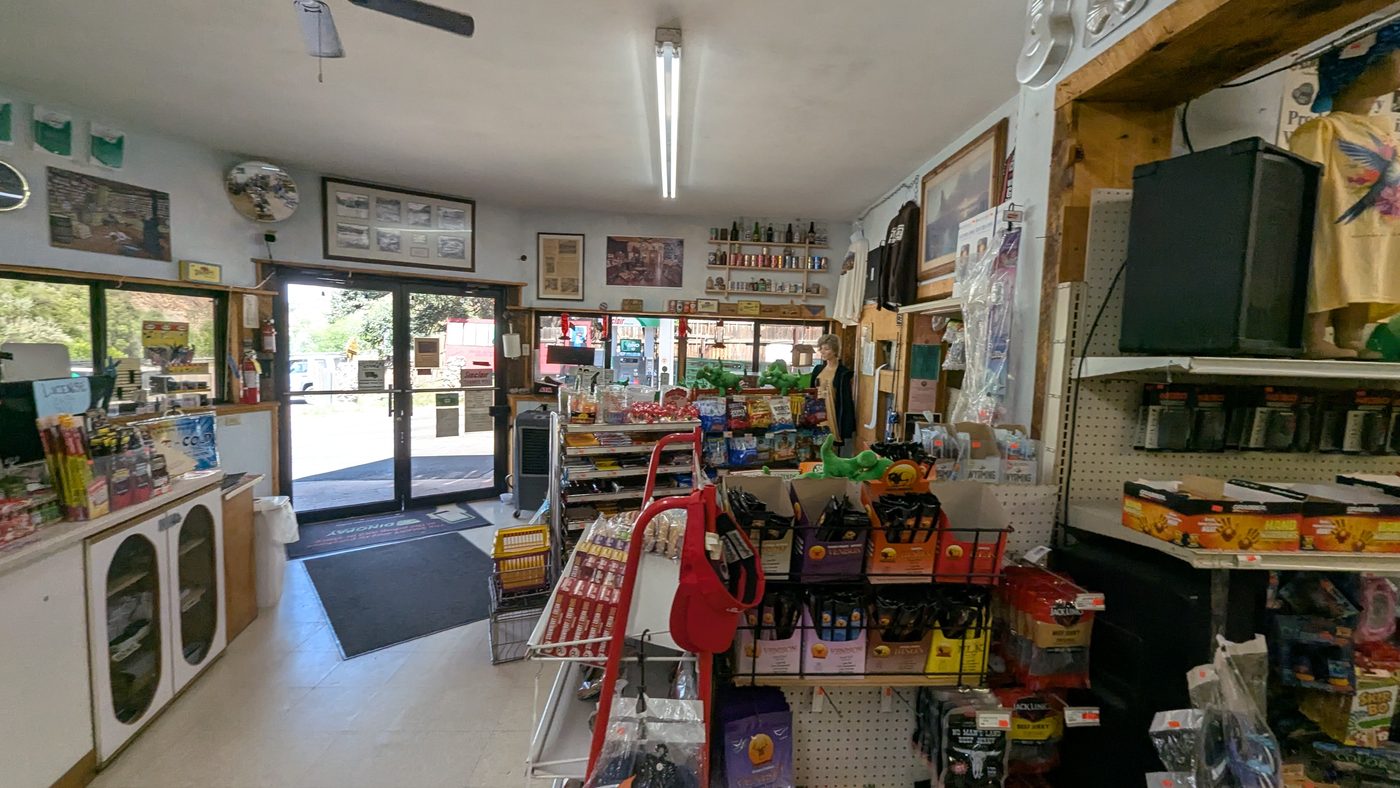
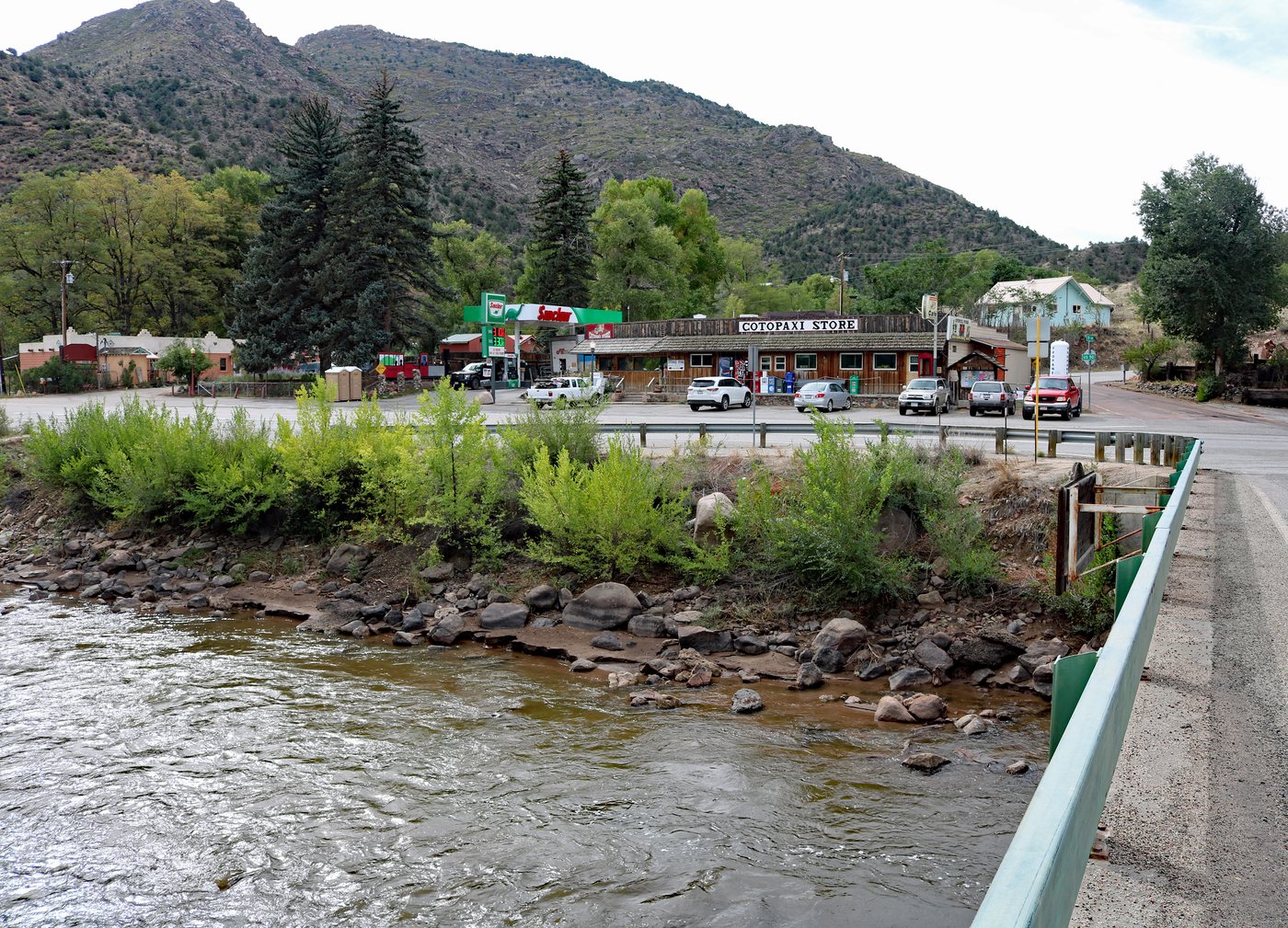
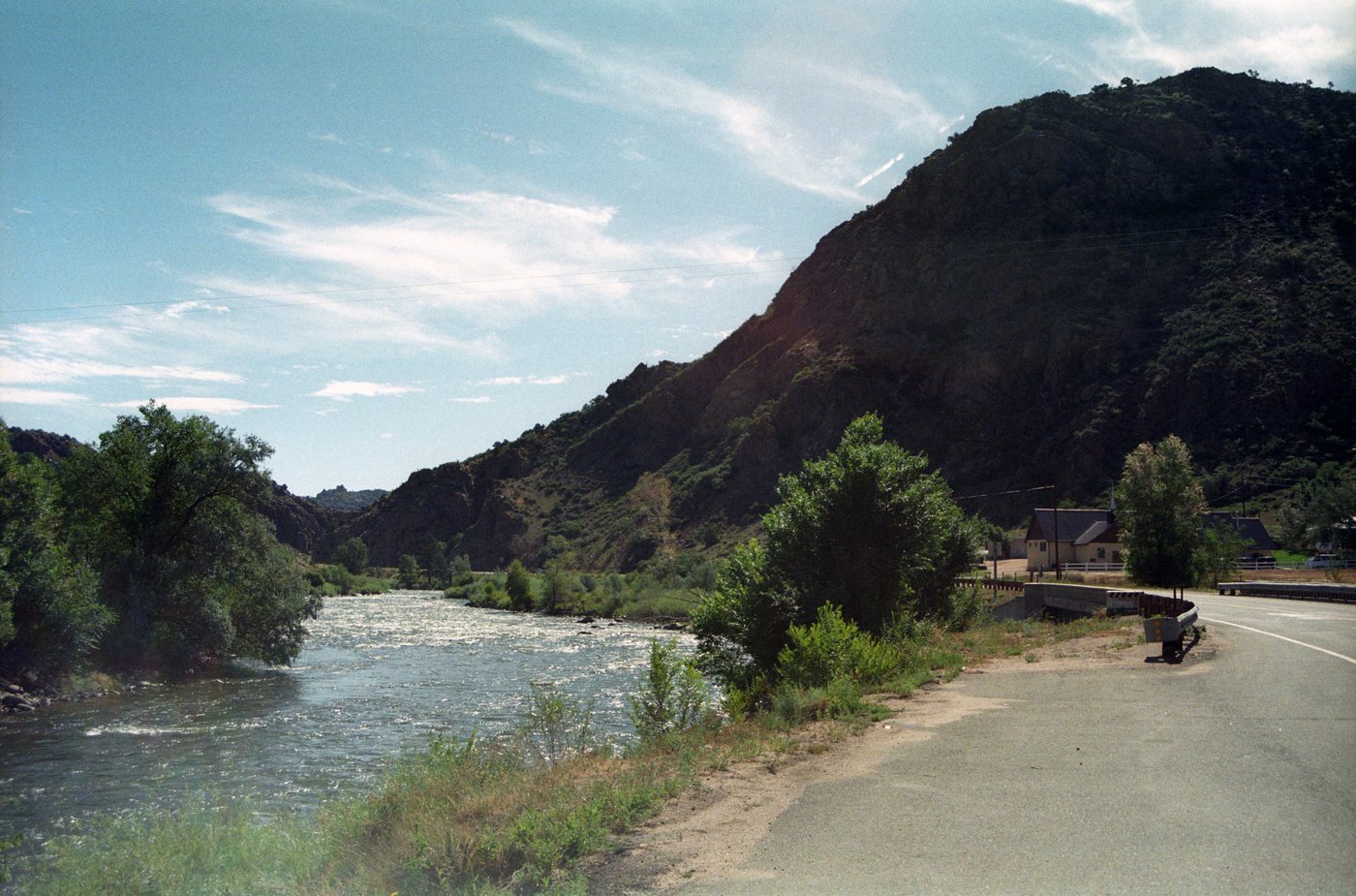
Cotopaxi, Colorado got its name from a prospector named Henry 'Gold Tom' Thomas, who'd mined in South America and thought the local peaks looked just like the Ecuadorian volcano Cotopaxi. The general store has been here since the early 1920s — now bolted onto a Sinclair station — red phone booth out front and all. Pure roadside Colorado on the banks of the Arkansas in Bighorn Sheep Canyon.
Watch (2)
The history
Cotopaxi, CO
Cotopaxi got its improbable name from Henry "Gold Tom" Thomas, a prospector who arrived in the late 1870s after years of mining in South America and was struck by how the surrounding peaks resembled Ecuador's great Cotopaxi volcano. The town's most extraordinary chapter began on May 8, 1882, when 63 Russian Jews fleeing tsarist pogroms stepped off the train to settle one of the only Jewish agricultural colonies in the American West. The colony was the scheme of mining promoter Emanuel H. Saltiel, who pitched it to philanthropist Michael Heilprin and the Hebrew Emigrant Aid Society, promising houses, barns, livestock, seed, and farm implements for under $10,000. What the families found instead was rocky, frost-cursed ground, only 12 of 20 promised houses (windowless eight-foot shacks, just four with stoves), and no real wages, only vouchers redeemable at the company store Saltiel co-owned with A.S. Hart. Early frosts and late-spring snowstorms destroyed the crops, and the men were driven to labor in Saltiel's mine and on the railroad to survive. The colony was officially dissolved in June 1884, and its families scattered to Denver's West Colfax Jewish neighborhood, Pueblo, Rocky Ford, Longmont, and Montrose.
Fast facts
Cotopaxi, CO 6,362 ft
- The town is named for a 19,347-foot Ecuadorian volcano because prospector "Gold Tom" Thomas thought the local mountains looked like it.
- Sixty-three Russian Jews arrived on May 8, 1882, founding one of the only Jewish farming colonies in the American West.
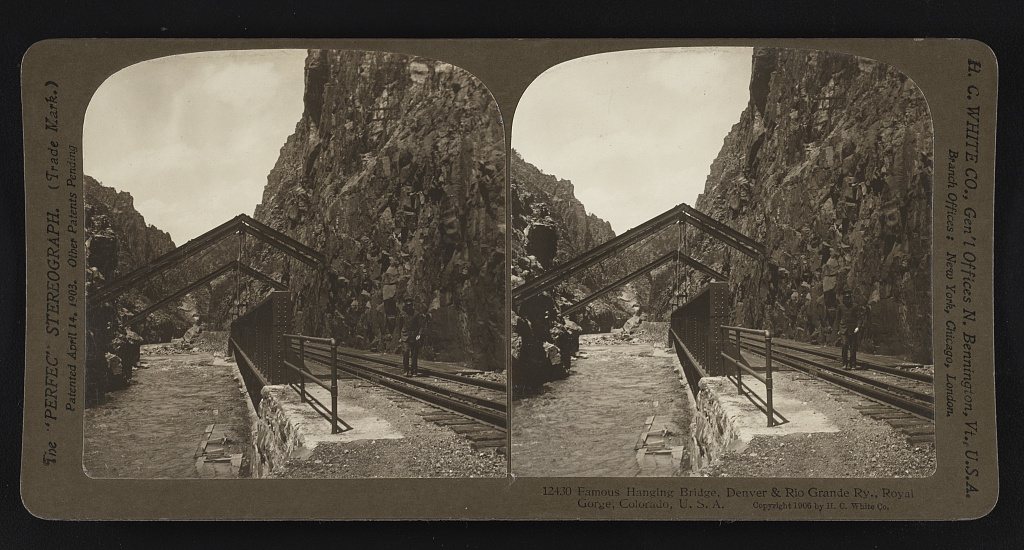
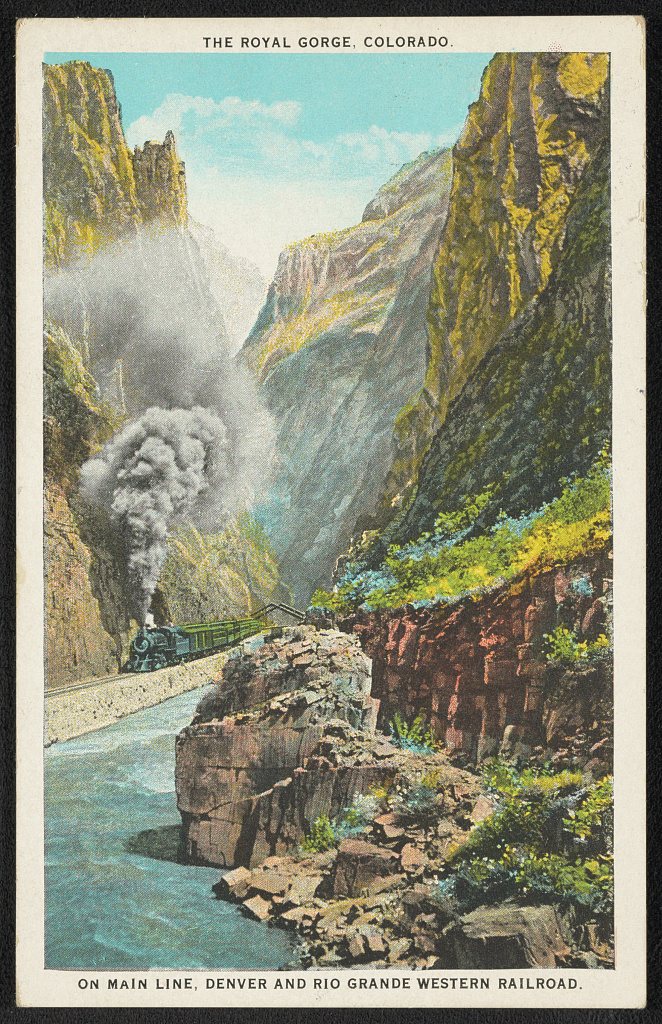
- The Denver & Rio Grande station here was originally named "Saltiel" after the colony's promoter, Emanuel Saltiel.
- Colonists were paid not in cash but in vouchers redeemable only at the company store, leaving them like indentured servants.
- Only 12 of the 20 promised houses were ever built, each roughly eight feet square with no windows, doors, or chimneys.
- One colonist reported sowing fifteen bags of potatoes and harvesting only fourteen.
- The Hebrew Emigrant Aid Society backed the venture with roughly $10,000, equivalent to over $230,000 today.
- The colony lasted just two years, dissolving in June 1884 with families scattering to Denver, Pueblo, and beyond.
- Railroad work paid the men $3 a day laying D&RG track westward when farming failed.
- In 2008 a descendant, Miles Saltiel, posted a $25,000 bounty for documents proving Emanuel Saltiel's innocence in the colony's collapse.