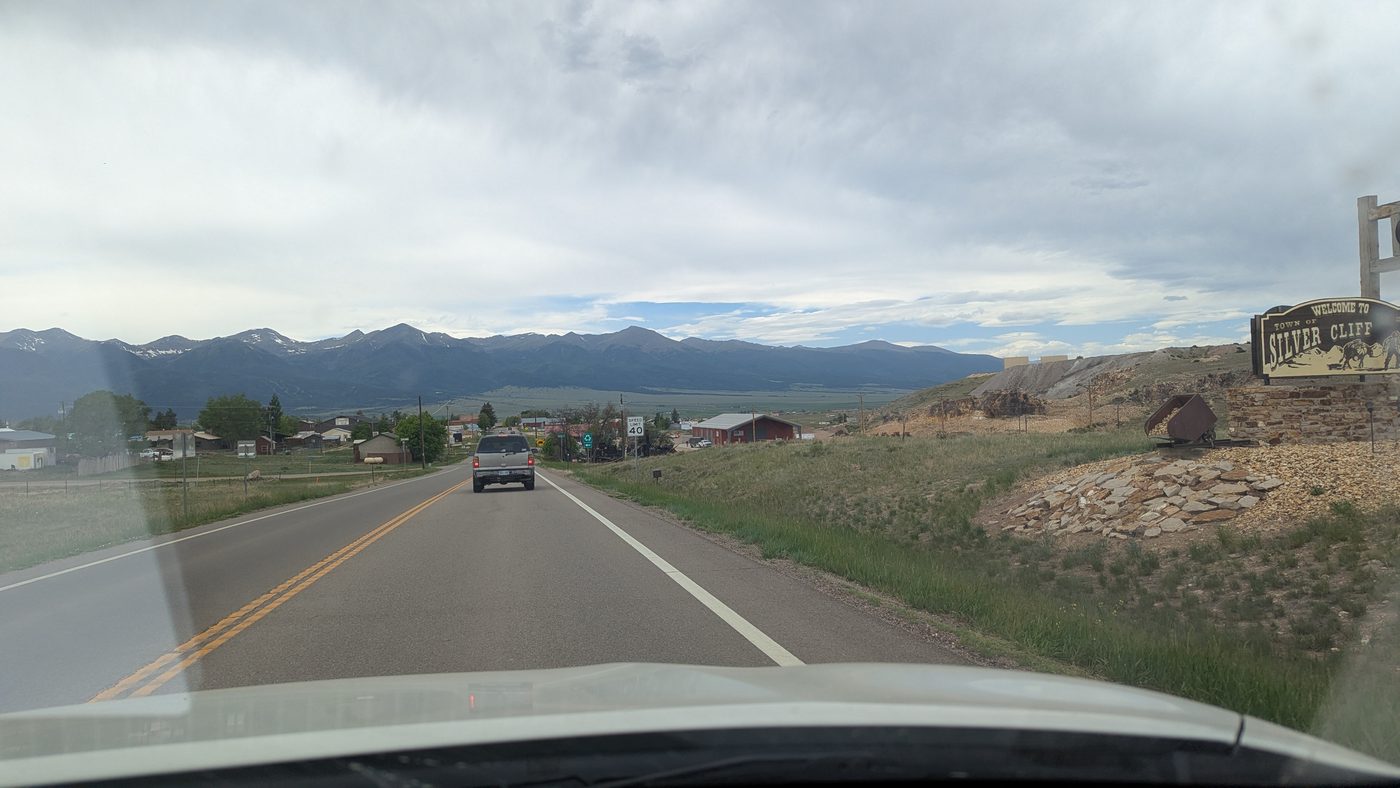
Two tiny towns sitting side by side under the biggest sky in Colorado. Westcliffe and Silver Cliff were the state's first International Dark Sky Community, and at nearly 7,900 feet they sit right under the wall of the Sangre de Cristo Range. Silver Cliff used to be the third-biggest town in Colorado back in the silver-boom 1880s — now it's a quiet main street with a famous haunted cemetery and a hell of a view.
Watch (4)
The history
Westcliffe, CO
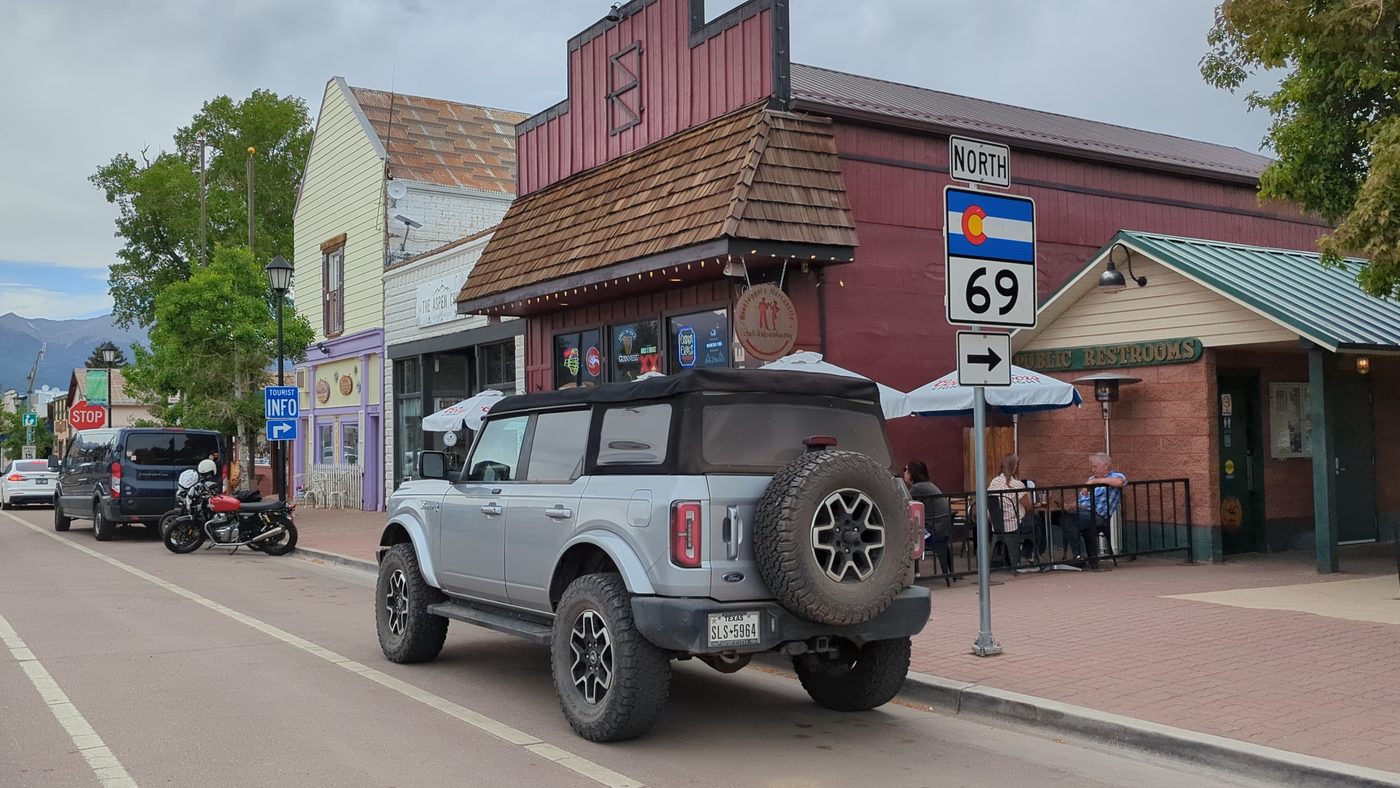
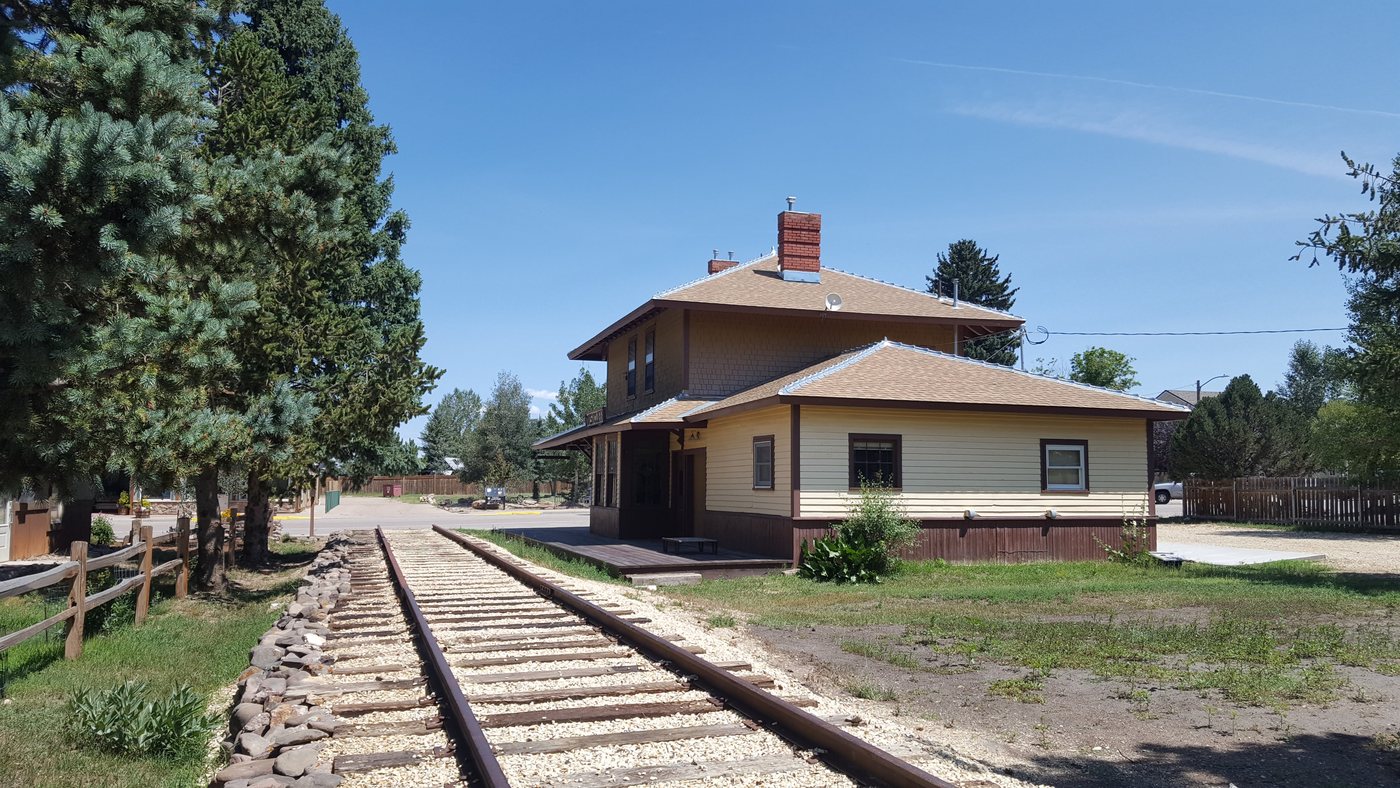
Westcliffe owes its existence to the railroad and to a British doctor's homesickness. Dr. William A. Bell, a Welsh-English physician who came west with General William Jackson Palmer in 1870 scouting a southern railroad route, fell for the Wet Mountain Valley and named the new settlement after Westcliff, the seaside town in England near where his family had roots. The town was a creature of Palmer's Denver & Rio Grande, which Bell served as vice president; the first passenger train rolled in on May 11, 1881, and the platted town followed, incorporating in 1887. While the silver camps boomed and busted around it, Westcliffe settled into the long, steady business that still defines it — hay and cattle ranching across one of Colorado's broadest high mountain valleys, framed by the Sangre de Cristos to the west and the Wet Mountains to the east. In 2015 Westcliffe and neighboring Silver Cliff were certified as Colorado's first International Dark Sky Community, protecting the same coal-black skies that make the valley's stars so famous.
Silver Cliff, CO
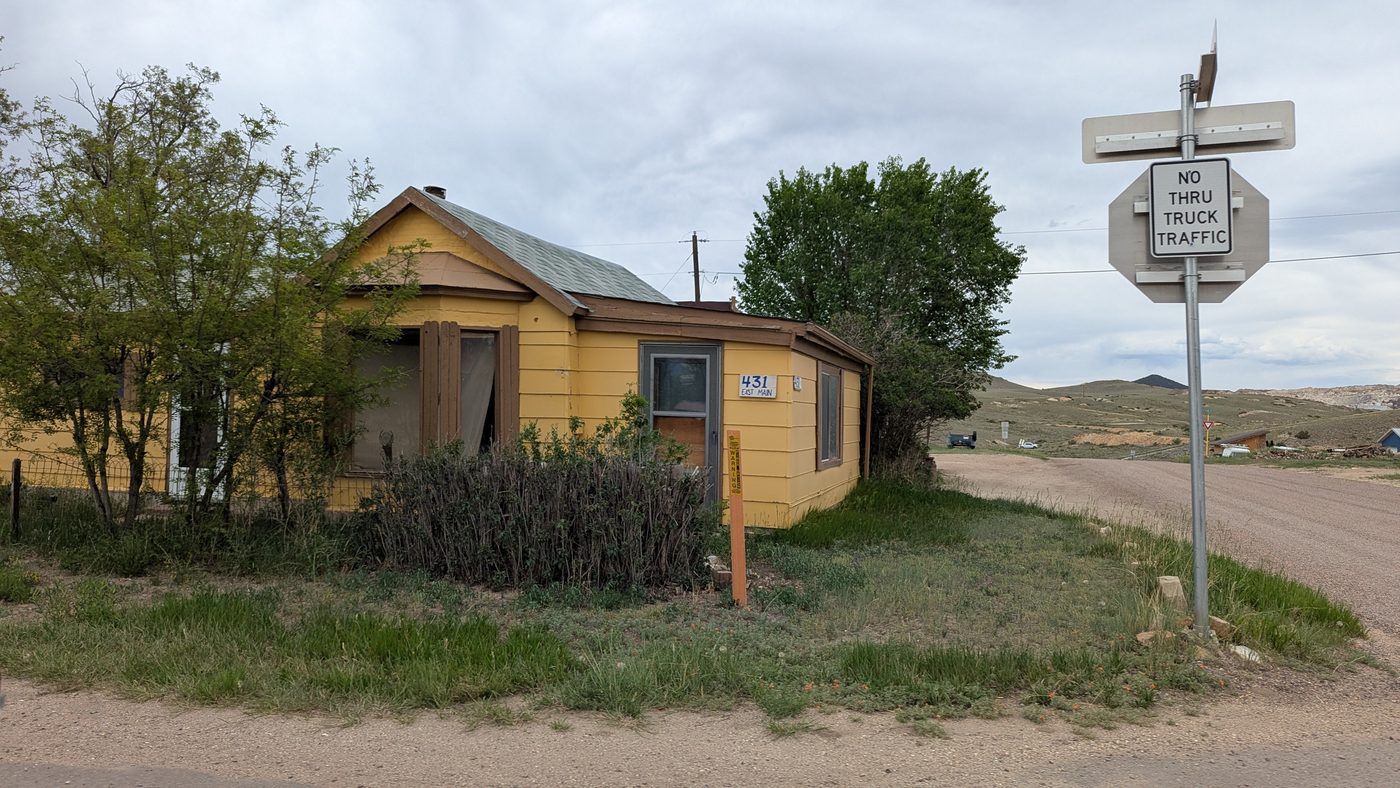
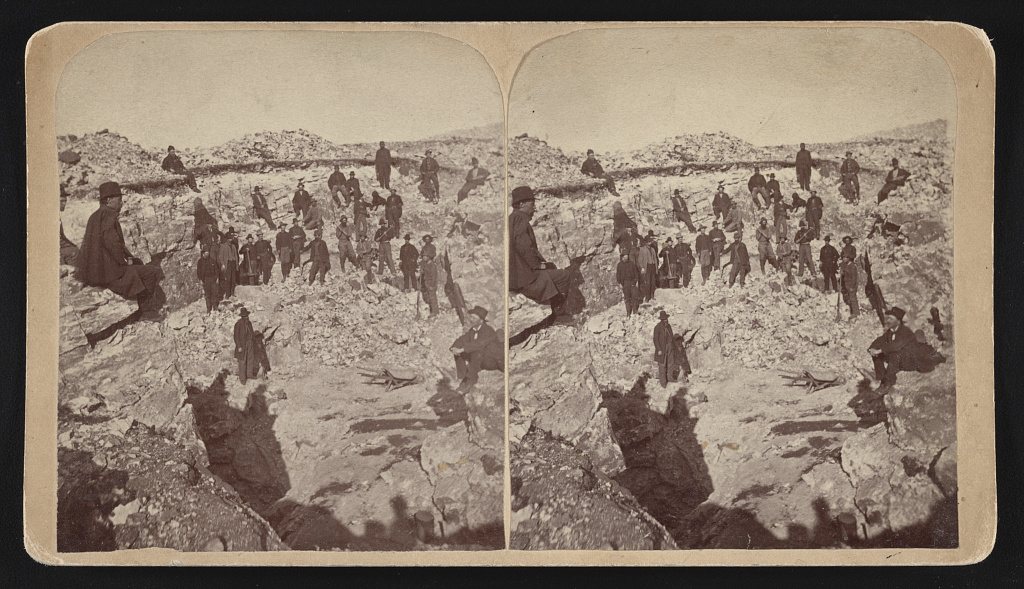
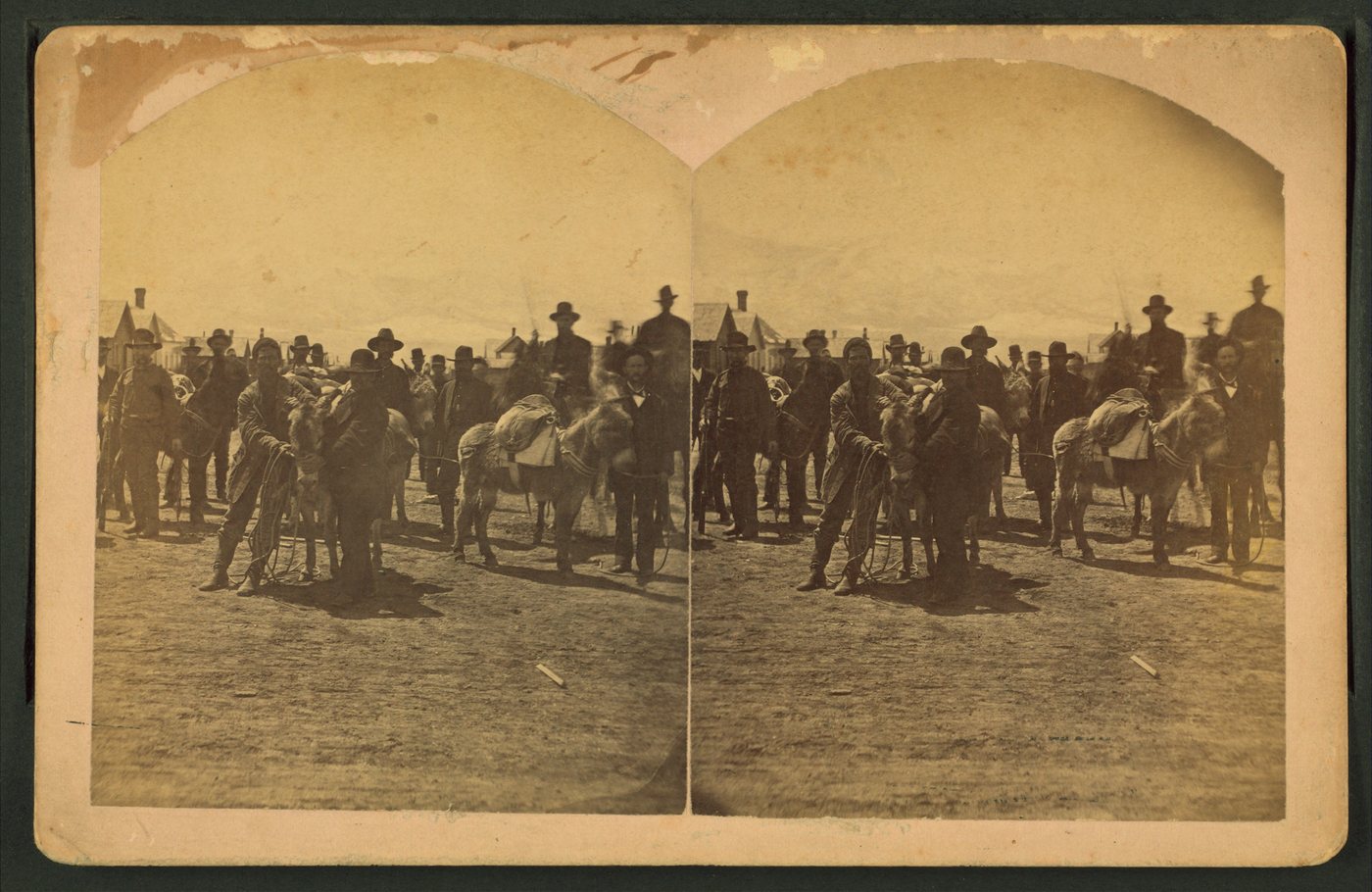
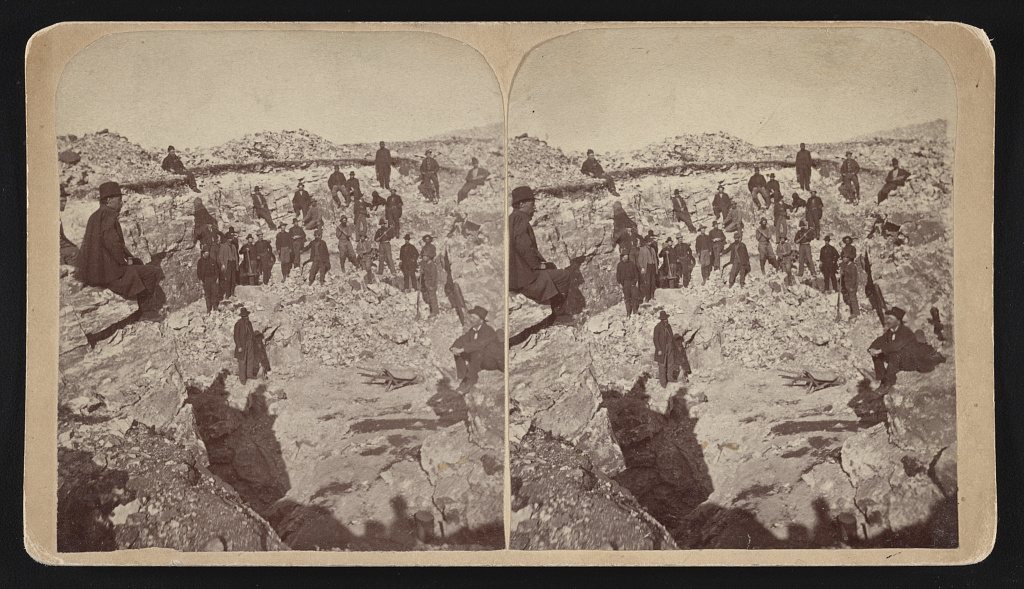
Silver Cliff exploded out of nothing after June 1878, when prospectors cracked open a dark, greasy-looking rock on a cliff and found "horn silver" assaying at roughly 75% silver. Incorporated in January 1879, the camp grew so fast that one guidebook called it "the infant of September 1878, the mushroom of 1879, and the giant of 1880." By the June 1880 census it held 5,040 residents, making it Colorado's third-largest city behind only Denver and Leadville. But the lodes never went as deep or as rich as the surface promised; when the Denver & Rio Grande planted its terminus in neighboring Westcliffe in 1881, the boom drained away, and by 1882 it was over, with the population collapsing to 576 by 1900. The town's strangest legacy isn't its silver at all but its cemetery, where "dancing blue lights" have been reported drifting among the headstones since the 1880s. That mystery vaulted to fame after the August 1969 National Geographic sent a writer to stand among the graves in the dark.
Sangre de Cristo Range
The Sangre de Cristo Range walls off the western edge of the Wet Mountain Valley with one of the most dramatic mountain fronts in North America, rising abruptly from the valley floor to a crest of fourteeners. The name is Spanish for "Blood of Christ," most often explained by the deep blood-red alpenglow that floods the peaks at sunrise and sunset, though a competing legend ties it to the dying words of a Spanish priest; it has been in use since the early 19th century. Geologically these are fault-block mountains, kin to Wyoming's Tetons, shoved skyward as a single mass beginning around five million years ago along faults that are still active today. The range's crown jewels are the Crestone group — Crestone Peak, Crestone Needle, Kit Carson Mountain, and Humboldt Peak — plus 14,345-foot Blanca Peak to the south, the range's high point. The Crestones, built of rough, grippy conglomerate rock, are famous as some of the hardest and most committing fourteeners in Colorado.
Fast facts
Westcliffe, CO 7,888 ft
- Westcliffe was named by Dr. William A. Bell for Westcliff, England, near his family's roots.
- Bell came west with railroad builder General William Jackson Palmer in 1870 and became vice president of the Denver & Rio Grande.
- The first passenger train arrived on May 11, 1881, and the town incorporated in 1887.
- It sits in the Wet Mountain Valley between the Sangre de Cristo Range and the Wet Mountains.
- In 2015 Westcliffe and Silver Cliff became Colorado's first certified International Dark Sky Community.
- The pair was among the first nine Dark Sky Communities in the world at the time of designation.
- The valley's economy has run on hay and cattle ranching since the 1800s.
- The town's Smokey Jack Observatory anchors its identity as a stargazing destination.
- An earlier name for the settlement was Clifton before Bell renamed it.
- At roughly 7,900 feet, Westcliffe is the seat of Custer County.
Silver Cliff, CO 7,982 ft
- Silver Cliff was born from "horn silver" ore that assayed at about 75% pure silver, discovered in June 1878.
- By the 1880 census it had 5,040 people, making it Colorado's third-largest city behind Denver and Leadville.
- A guidebook called it "the infant of September 1878, the mushroom of 1879, and the giant of 1880."
- The boom collapsed by 1882, and the population crashed to just 576 by 1900.
- Westcliffe stole its future in 1881 by landing the railroad terminus a mile away.
- The Silver Cliff Cemetery's mysterious "ghost lights" have been reported since the 1880s.
- The first written account was a 1956 Wet Mountain Tribune story headlined "Silver Cliff Cemetery Ghosts Carrying Own Lights at Night."
- National Geographic put the spook lights on the world stage in its August 1969 issue (Vol. 136, No. 2).
- A favorite local legend blames the lights on drunken miners' lanterns — but no period newspaper ever recorded the tale.
- Proposed scientific explanations range from tombstones reflecting town lights to phosphenes, triboluminescent minerals, and swamp gas.
Sangre de Cristo Range 14,345 ft
- Sangre de Cristo means "Blood of Christ" in Spanish.
- The most common name explanation is the blood-red alpenglow on the peaks at dawn and dusk.
- A rival legend credits the name to the dying words of a Spanish priest.
- The name has been in use since the early 19th century.
- These are fault-block mountains, geologically similar to the Teton Range.
- The range was uplifted as a single mass starting roughly 5 million years ago and is still rising.
- Blanca Peak, at 14,345 feet, is the highest summit in the range.
- The Crestone group includes Crestone Peak, Crestone Needle, Kit Carson Mountain, and Humboldt Peak.
- The Crestones' coarse conglomerate rock makes them among Colorado's toughest fourteeners.
- Crestone Needle was first climbed on July 24, 1916, by Albert Ellingwood and Eleanor Davis.